
Starting a blog in Nigeria is one of the most practical ways to build an online presence, share knowledge, and even earn income.
Many beginners feel stuck because they don’t know where to start or how much it costs. As an SEO consultant who has helped Nigerian bloggers build and grow profitable blogs, this guide walk you through 10 simple steps to start a blog in Nigeria and turn it into a profitable online asset.
What Is a Blog?
A blog is a website where you regularly publish written content to inform, educate, or entertain readers. Blogs in Nigeria are used for sharing information, news, personal branding, marketing, or making money online.
Can Blogging Work in Nigeria?
Yes, but only if done correctly. Many fail due to wrong niche choice, unrealistic expectations, or ignoring SEO and consistency.
Steps to Starting a Successful Blog in Nigeria
Step 1: Choose the Right Blog Niche
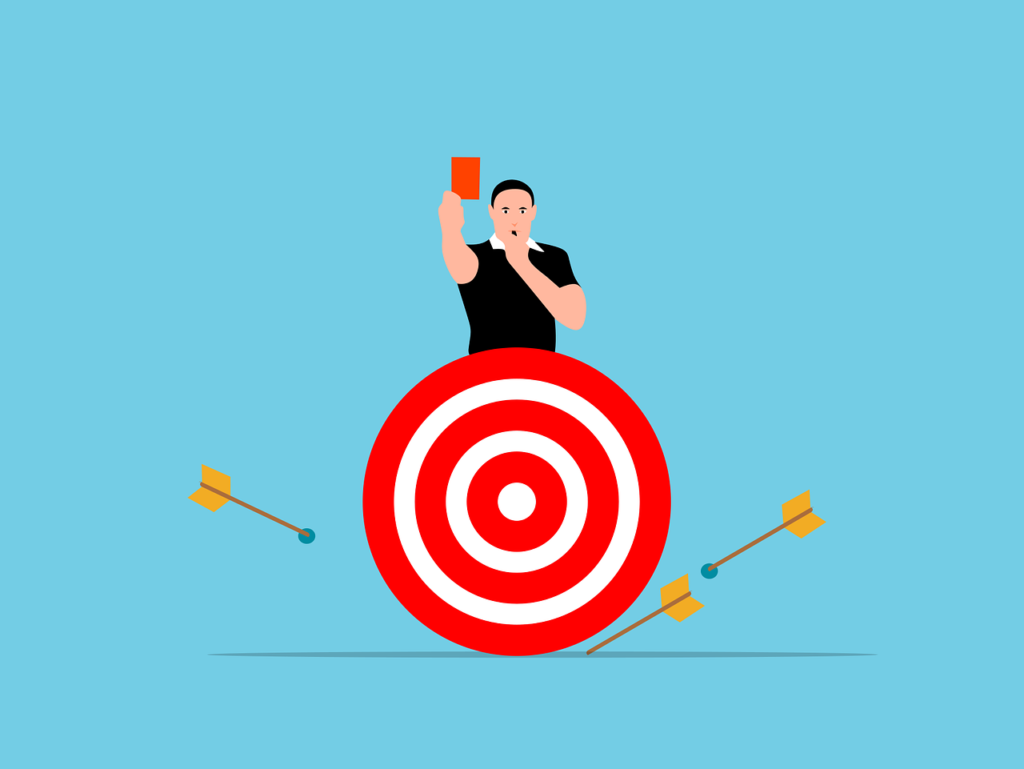
Think of your blog niche as the foundation of your blogging journey. It’s the main subject you’ll be known for, the reason people keep coming back, and the lens through which you’ll create content. If you skip this step or pick the wrong niche, you risk building an audience that doesn’t connect with you; or worse, no audience at all. Popular niches are Make money online, Education, Tech, Health, Finance, Careers, Lifestyle. Choose one you understand, has search demand, and monetization potential.
Tips for Picking Your Niche
- Follow your passion: Ask yourself, “Can I write about this for the next 3–5 years without getting bored?” Passion fuels consistency.
- Check audience demand: Your niche should have a large enough audience either in Nigeria or globally. For instance, a blog about “palm wine bottle collections” may be unique, but it’s too narrow to scale.
- Think monetization: Before you settle, research how bloggers in that niche make money, through ads, affiliate links, courses, or even their own products.
Don’t just chase a niche because it’s trending. The real secret is finding the sweet spot where your passion, audience demand, and monetization potential meet; that’s what keeps a blog thriving for years.
If you’d like a deeper dive, I’ve broken down some of the most profitable niche ideas for Nigerian bloggers in this detailed guide [click here to explore them].
Step 2: Free vs Paid Blogging Platforms
Free blogging platforms like Blogger and WordPress.com are good for beginners who want to practice. They allow you to start blogging without paying any money. However, they come with many limitations, especially if you want to make money from your blog.
With free platforms, you don’t have full control over your blog. Monetization options are limited, and your blog can be suspended if you break platform rules. You also cannot fully customize your site or install powerful plugins that help with SEO and speed.
Paid platforms, especially self-hosted WordPress.org, give you full ownership of your blog. You can install any theme or plugin, optimize your blog for search engines, and monetize freely. Although it costs some money, it is the best option for anyone serious about blogging long-term.
Differences between Free vs Paid Blogging Platforms
| Category | Free Blogging Platforms (Blogger, WordPress.com) | Paid Blogging Platforms (WordPress.org) |
|---|---|---|
| Cost | Free | Requires hosting & domain |
| Purpose | Good for practice | Best for serious, long-term blogging |
| Ownership | Platform owns your site | You fully own your site |
| Monetization | Limited | Unlimited monetization options |
| Control | Very limited | Full control |
| Account Risk | High risk of suspension | No suspension risk |
| SEO & Speed | Limited optimization | Full SEO and speed optimization |
| Plugins & Themes | Restricted | Full plugin and theme flexibility |
| Verdict | Not ideal for growth | Best blogging platform in Nigeria |
Step 3: Buy a Domain Name
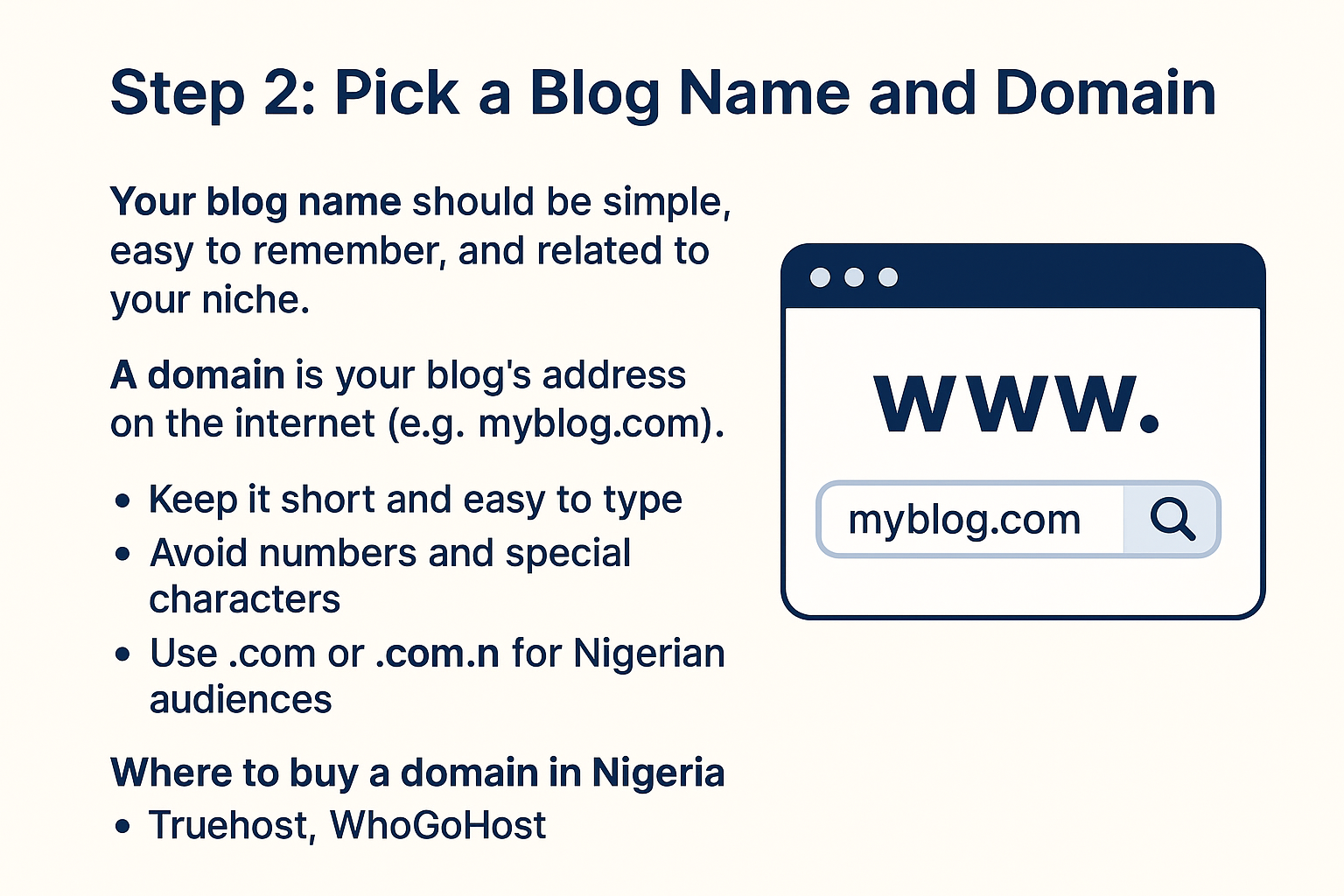
A domain name is your blog’s address on the internet. It’s what people type to find your website, for example, Jamesagbai.com.ng. Choosing the right domain name makes your blog look professional and trustworthy.
Your domain name should be short, simple, and easy to remember. Avoid using hyphens, numbers, or complicated spellings because they confuse visitors. A clean name also makes it easier for people to share your blog with others.
It’s best to choose a .com extension because it is widely recognized and trusted. Your domain name should also relate to your niche so visitors immediately understand what your blog is about. A good domain name helps with branding and long-term growth.
Where to Buy a Domain in Nigeria
Luckily, you don’t need to overthink this part. There are trusted platforms where you can register your blog domain quickly:
- Truehost – Reliable and budget-friendly. (Click here to sign up for 50% Discount on your first Order)
- WhoGoHost – One of Nigeria’s most popular hosting companies.
- Namecheap – International but affordable, and works well for Nigerians too.
Once you register your domain, it’s yours (as long as you keep renewing it yearly).
Step 4: Choose Reliable Web Hosting in Nigeria

Web hosting is where your blog lives online. A good hosting company ensures your blog loads fast and stays online without frequent downtime. Poor hosting can make your site slow and frustrate visitors.
When choosing a host, look for fast loading speed and strong uptime guarantees. Many readers will leave if your site takes too long to load. Speed is also an important ranking factor for search engines like Google.
For Nigerian bloggers, it’s helpful to choose a hosting provider that supports Nigerian payment options and offers easy WordPress installation. Affordable pricing and responsive customer support are also important, especially for beginners.
Recommended Hosting for Beginners in Nigeria
If you’re blogging in Nigeria, here are some great providers to start with:
- Truehost – Budget-friendly and perfect for beginners.
- Namecheap EasyWP – Simple, hassle-free WordPress hosting.
- Bluehost – A global favorite with strong support for WordPress and international audiences.
Need Help Setting Up Your Blog the Right Way?
Starting a blog is easy, but setting it up correctly for SEO, speed, and monetization is where most Nigerian bloggers struggle.
I help beginners and business owners in Nigeria launch SEO-ready WordPress blogs that are fast, secure, and built to grow.

Step 5: Install WordPress
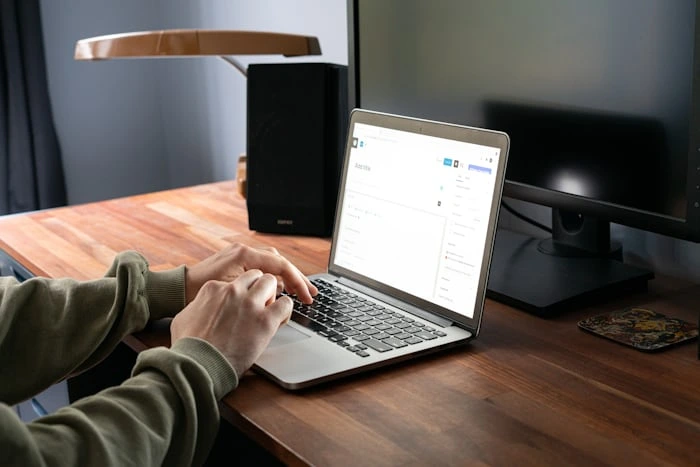
Most web hosting companies offer one-click WordPress installation. This makes it easy for beginners to set up their blog without technical knowledge. Once installed, WordPress gives you a powerful platform to manage your content.
After installation, you can access your WordPress dashboard. The dashboard is where you control everything on your blog, including posts, pages, themes, and plugins. It may look complex at first, but it becomes easier with use.
WordPress is popular because it is flexible and beginner-friendly. You can customize your blog’s design, add new features, and optimize for SEO without coding. This is why most successful blogs use WordPress.
Step 6: Choose a Clean Theme
A theme controls how your blog looks and feels. Choosing a clean and simple theme improves user experience and keeps visitors on your site longer. A cluttered design can confuse readers and slow down your blog.
Your theme should be mobile-friendly because many readers use their phones to browse. It should also load fast and have clear navigation so visitors can easily find your content. Simple designs often perform better than flashy ones.
Avoid heavy themes with too many animations and features you don’t need. These can slow down your site and hurt SEO. A lightweight theme keeps your blog professional, fast, and easy to manage.
Step 7: Install Essential Plugins
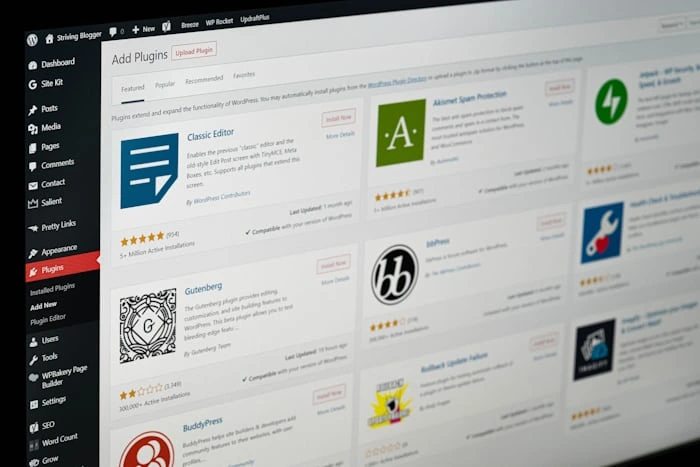
Plugins add extra features to your WordPress blog. Essential plugins help with SEO, security, caching, and backups. These tools make your blog safer, faster, and easier to grow.
SEO plugins help you optimize your posts for search engines. Security plugins protect your site from hackers, while caching plugins improve loading speed. Backup plugins ensure you don’t lose your content if something goes wrong.
However, avoid installing too many plugins. Too many plugins can slow down your site and cause errors. Only install plugins that are necessary and regularly update them to keep your blog running smoothly.
Step 8: Create Important Pages
Important pages make your blog look professional and trustworthy. The About page tells visitors who you are and what your blog is about. It helps readers connect with you on a personal level.
The Contact page allows readers, brands, and potential partners to reach you easily. This is important for collaboration, sponsored posts, and feedback. A simple contact form or email address is enough.
Privacy Policy and Disclaimer pages are required if you plan to use Google AdSense. These pages explain how you handle user data and protect you legally. Many generators can help you create these pages easily.
Step 9: Write Your First Blog Posts
Your first blog posts should focus on helping beginners. Write how-to guides, tutorials, and answers to common questions in your niche. These types of posts attract search traffic and build authority.
Use simple English and organize your content with headings, bullet points, and short paragraphs. This makes your posts easy to read and understand. Readers prefer clear and direct information.
Always aim to solve a problem with each post. When readers find your content helpful, they are more likely to return and share your blog. Quality content is more important than posting frequently at the beginning.
Step 10: Learn Basic SEO

SEO helps your blog appear in search engine results. Basic SEO involves using keywords naturally in your content. Keywords should appear in your title, headings, and throughout the article without forcing them.
Writing good titles and using proper headings makes your content easier for both readers and search engines to understand. Internal linking also helps by guiding visitors to other related posts on your blog.
Website speed is another important SEO factor. A fast-loading blog ranks better and keeps visitors engaged. Optimizing images and using caching plugins can greatly improve your site’s performance.
Important: Many Nigerian blogs fail not because of content, but because of poor SEO setup; wrong themes, slow hosting, and no keyword strategy. If you want your blog to rank on Google Nigeria and actually make money, you need SEO from day one. See how I help Nigerian bloggers rank and monetize their blogs.
Step 11: Be Consistent & Patient
Blogging is not a get-rich-quick scheme. Most blogs take between 3 to 12 months before they start seeing real traffic. This is normal and should not discourage you.
Consistency is more important than perfection. It’s better to post one good article every week than to post many articles and stop. A regular posting schedule helps search engines trust your blog.
Patience helps you stay focused during slow growth periods. As long as you keep learning, improving, and publishing valuable content, your blog will grow over time.
How Much Does It Cost to Start a Blog in Nigeria?
You can start a blog in Nigeria with as low as ₦30,000 – ₦50,000. Learn more on the cost of starting Blogging in Nigeria here.
| Item | Estimated Cost (₦) |
|---|---|
| Domain Name | ₦7,500 – ₦15,000/year |
| Web Hosting | ₦20,000 – ₦60,000/year |
| Theme & Plugins | ₦0 – ₦50,000 |
Blog Monetization in Nigeria

There are several ways to make money from blogging in Nigeria. Popular methods include Google AdSense, affiliate marketing, sponsored posts, selling digital products, and offering services. Each method works best with steady traffic.
Affiliate marketing involves promoting products and earning a commission for each sale. Sponsored posts pay you to write about a brand or product. Digital products like ebooks and courses give you full control over income.
However, traffic comes before income. Without visitors, monetization will not work. Focus first on building quality content and growing your audience, and the money will follow.
Common Blogging Mistakes Nigerians Should Avoid
- Copying content
- Ignoring SEO
- Irregular posting
- Expecting quick income
- Giving up early
Frequently Asked Questions
Want a Blog That Ranks and Makes Money?
Starting a blog is just the first step. The real success comes from SEO, consistency, and the right monetization strategy.
As an SEO specialist who helps Nigerian bloggers and businesses rank on Google, I can help you:
- Set up your blog professionally
- Optimize it for Google Nigeria
- Build traffic that converts into income

James Agbai is an SEO Specialist and Content Strategist with over five years of experience helping businesses, bloggers, startups, and service providers improve their online visibility through ethical, data-driven SEO. He specializes in technical SEO, content strategy, keyword research, and on-page optimization, with a focus on building sustainable organic growth rather than relying on short-term tactics.