
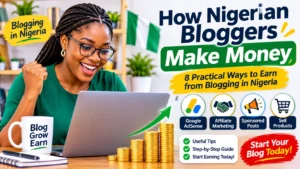
Starting a blog can be an exciting way to share your knowledge, build an audience and create an online business. But one question many beginners ask is: How do Nigerian bloggers make money?
The good news is that blogging can generate income in several ways. Nigerian bloggers can earn through display advertising, affiliate marketing, sponsored content, selling digital products, offering services and other methods. However, making money from a blog is not automatic. It requires useful content, a clear audience, patience and a sensible monetisation plan.
You do not need to be a celebrity or own a large media company to start earning from blogging. What matters is choosing a topic people care about, publishing helpful information and building trust with your readers.
In this guide, you will discover eight practical ways Nigerian bloggers make money, what you need to get started and how to choose the best income methods for your blog.
Can You Make Money from Blogging in Nigeria?
Yes. You can make money from blogging in Nigeria by creating content that attracts readers and using suitable methods to earn from that audience.
For example, a food blogger can publish recipes, recommend kitchen products through affiliate links and sell a recipe ebook. A technology blogger can review gadgets, earn commissions from product referrals and publish sponsored articles. A personal finance blogger can offer educational resources or attract clients for relevant services.
The important thing is that your blog should provide value before you expect it to generate income.
Blogging is not a guaranteed way to become rich quickly. Some blogs take months or longer to attract consistent visitors and earn meaningful revenue. Your results will depend on your topic, content quality, audience, traffic sources and monetisation methods.
If you have not created a blog yet, read our guide on how to start a blog in Nigeria to understand the basic steps, from choosing a niche to setting up your website.
1. Google AdSense and Display Advertising
One of the popular ways Nigerian bloggers make money is through display advertising. This involves showing advertisements on your website and earning revenue when visitors view or interact with eligible ads.
Google AdSense is a well-known advertising programme that allows website owners to display ads from advertisers. Once your website is approved and properly set up, advertisements may appear in suitable areas of your blog.
How does Google AdSense work?
The process is straightforward:
- Create a blog and publish original, useful content.
- Make sure your website meets Google’s eligibility requirements and advertising policies.
- Apply for an AdSense account.
- Add the required AdSense code after approval.
- Allow eligible advertisements to appear on your website.
- Monitor your estimated earnings and performance in your AdSense account.
Your earnings depend on several factors, including the number of visitors, the location of your audience, the subject of your content, advertiser demand and how visitors interact with advertisements.
For example, a blog with readers from different countries may earn differently from a blog with mostly Nigerian visitors. Even two websites with similar traffic can generate different advertising revenue.
What do Nigerian bloggers need before applying for AdSense?
You should have original and useful content, a website you control, and a site that complies with AdSense policies. Google also requires applicants to be at least 18 years old. If you use a hosted platform such as Blogger, the application process may differ from that of a self-hosted website.
Do not copy articles from other websites, publish empty pages or fill your blog with low-quality content just to apply for advertising. These practices can affect your chances of approval.
Read Google’s official AdSense eligibility requirements before applying.
Important: AdSense approval is not guaranteed. Meeting the basic requirements does not mean every application will be accepted.
2. Affiliate Marketing
Affiliate marketing is another way to make money blogging in Nigeria. It involves recommending a company’s product or service and earning a commission when someone makes a qualifying purchase or completes another required action through your unique referral link.
You do not need to create your own product. Instead, you help people discover products that may solve their problems.
How does affiliate marketing work?
Imagine you run a blog about technology. You publish an article titled “Best Budget Smartphones for Students in Nigeria.”
Within the article, you discuss different phones, explain their features and provide affiliate links to relevant sellers or programmes. If a reader clicks your link and completes a qualifying purchase, you may receive a commission according to the programme’s terms.
Other examples include:
- A fashion blogger recommending clothing, shoes and accessories.
- A food blogger recommending cooking equipment.
- A travel blogger recommending travel-related services.
- An education blogger recommending learning resources and courses.
- A business blogger recommending useful software.
How can you start affiliate marketing?
First, choose products or services that match your blog’s subject. Next, research affiliate programmes that accept publishers in Nigeria and check their payment methods, commission rules and terms.
After joining an appropriate programme, create helpful content that naturally explains the products you recommend.
You can use product reviews, comparison articles, tutorials and buying guides. Always explain your honest opinion and disclose affiliate relationships so readers understand that you may earn a commission from qualifying purchases.
Do not recommend a product simply because it offers a high commission. Your reputation is more valuable than a single sale.
3. Sponsored Posts and Brand Partnerships
Nigerian bloggers can also earn money by working with businesses that want to reach a particular audience.
A sponsored post is content a company pays you to publish or promote. It may introduce a product, explain a service, announce a campaign or share information about a brand.
For example, a Nigerian food blogger may work with a food delivery business. A parenting blogger may collaborate with a baby-products company. A technology blogger may receive payment to publish a properly labelled review or product announcement.
How do bloggers get sponsored posts?
Brands are more likely to consider blogs that have a clear audience and publish content related to their products or services.
To improve your chances:
- Focus on a specific blogging niche.
- Publish useful and well-presented articles.
- Build a consistent readership.
- Make your contact information easy to find.
- Create a simple media kit describing your blog and audience.
- Contact businesses whose products are relevant to your readers.
Your media kit can include your blog’s topic, audience information, monthly visitors, popular articles, available advertising opportunities and contact details. Use real figures from your analytics rather than inflated numbers.
You do not always need hundreds of thousands of visitors to attract a partnership. A smaller blog with a focused and relevant audience may be useful to a business.
However, sponsored content should be clearly disclosed. Do not mislead readers into thinking a paid promotion is an independent recommendation.
4. Selling Digital Products
Selling digital products is another way to earn money from a blog. A digital product is something customers can purchase and access online without receiving a physical item.
Examples include:
- Ebooks
- Online courses
- Downloadable guides
- Templates
- Printable planners
- Workbooks
- Photography presets
- Educational resources
For instance, if you run a blog about personal development, you could create a practical ebook on building better daily habits. If you write about blogging, you could sell a beginner’s content planning template.
How do you sell digital products from your blog?
Start by identifying a problem your readers frequently experience. Then create a product that helps them solve that problem.
You can write an ebook, record lessons or design a useful template. Choose a reliable platform or payment solution that supports your intended customers and payment arrangements in Nigeria.
Create a page on your blog that explains what the product contains, who it is for and how it can help. Include clear pricing, delivery information and customer support details.
Do not create a product simply because you want something to sell. First understand what your readers need. A useful product is easier to explain and more likely to earn their trust.
5. Offering Services Through Your Blog
Your blog can help you attract customers who need your professional skills.
This is especially useful if you have experience in writing, graphic design, web development, digital marketing, photography, consulting or another service-based field.
For example, a freelance writer can publish articles about content writing and use the blog to attract businesses looking for writing services. A web designer can publish website improvement tips and invite readers to request a project quote.
How can your blog attract service customers?
Write articles that answer questions your potential customers ask. Explain common problems, share practical advice and demonstrate your knowledge.
You can also create dedicated service pages describing:
- The service you provide.
- The type of customer you help.
- The problem your service solves.
- Your process and deliverables.
- How interested customers can contact you.
Include a clear call to action in relevant articles. For example, a reader who finds your guide to website optimisation may be interested in professional SEO services.
Unlike advertising, service income does not depend entirely on page views. One relevant visitor who becomes a customer may be more valuable than many visitors who are not interested in your services.
6. Selling Physical Products
Some Nigerian bloggers use their websites to sell physical products. This works particularly well when the products are closely related to the blog’s topic.
For example, a fashion blogger may sell clothing or accessories. A cooking blogger may sell kitchen tools, while a fitness blogger may sell suitable fitness equipment.
Your blog helps attract people who are already interested in the subject. You can then introduce relevant products through helpful articles, product guides and dedicated shop pages.
If you choose this method, consider product sourcing, delivery, inventory, customer service, returns and payment arrangements. These responsibilities make physical product sales different from selling digital downloads.
You do not need to turn every blog into an online shop. Only sell products that make sense for your audience and business goals.
7. Offering Paid Memberships and Exclusive Content
Another way bloggers earn money is by offering paid memberships.
A membership gives readers access to content or benefits that are available only to paying subscribers. Depending on your topic, these benefits may include detailed tutorials, private newsletters, downloadable resources, members-only articles or online communities.
For example, an education blogger might offer additional study materials. A business blogger might provide exclusive business templates and practical lessons.
What makes people pay for membership?
Readers need a clear reason to pay. Your exclusive content should provide something useful beyond what they can already access for free.
You should also be consistent. If you promise regular lessons, resources or updates, make sure you can deliver them.
Before introducing a paid membership, build a free audience and learn which topics people find most valuable. This helps you create an offer that meets a genuine need.
8. Email Marketing and Paid Newsletters
Email marketing can support your blogging income by helping you maintain a relationship with readers.
When visitors subscribe to your email list, you can send them useful updates, new articles, resources and relevant offers. This gives you a direct way to communicate with people who have shown interest in your content.
You can use email marketing to:
- Promote your own products.
- Share affiliate recommendations.
- Announce services.
- Promote relevant sponsored campaigns.
- Sell access to a paid newsletter.
A paid newsletter is different from an ordinary free email list. Subscribers pay a fee to receive exclusive information, research, lessons or other valuable content.
For beginners, it is often sensible to start with a free newsletter. Focus on sending useful emails and building trust before introducing paid offers.
Always obtain appropriate permission before sending marketing emails, provide a clear way to unsubscribe and follow applicable privacy and email marketing requirements.
Which Blogging Monetisation Method Is Best for Beginners in Nigeria?
There is no single method that is best for every blogger. Your ideal choice depends on your niche, audience, skills, available time and business goals. Here is a simple comparison:
| Monetisation method | What you need | Suitable for |
|---|---|---|
| Google AdSense | Original content, policy compliance and eligible traffic | Informational and content-focused blogs |
| Affiliate marketing | Relevant products and reader trust | Reviews, tutorials and buying guides |
| Sponsored posts | A clear audience and brand relevance | Established niche blogs |
| Digital products | A useful product and a way to sell it | Educational and specialist blogs |
| Services | A marketable skill and service offer | Freelancers and professionals |
| Physical products | Products, fulfilment and customer support | Product-focused blogs |
| Paid memberships | Consistent exclusive value | Communities and specialist audiences |
| Email marketing | An email list and useful offers | Blogs with returning readers |
You can combine different methods as your blog grows. For example, you may start with affiliate marketing and services, then introduce display advertising or a digital product later.
The important thing is to avoid overwhelming yourself with too many monetisation methods at the beginning.
How Much Do Nigerian Bloggers Make?
There is no fixed amount that every Nigerian blogger earns. Some blogs make little or no money, while others generate income from several sources. Your earnings may depend on:
- Website traffic: More relevant visitors can create more opportunities for advertising, affiliate sales and customer enquiries.
- Audience location: Advertisers may value audiences differently depending on their location and the market.
- Blogging niche: Some topics attract more advertiser interest or offer more opportunities for products and services.
- Content quality: Useful content can help build trust and encourage readers to return.
- Monetisation method: Advertising, affiliate commissions and service sales have different earning structures.
- Consistency: Regularly improving your content and marketing can help your blog develop over time.
Be careful with online claims that promise a specific monthly income from blogging. Unless the figures are supported by reliable evidence, they should not be treated as typical results.
Instead of focusing only on how much other bloggers earn, set realistic goals. You could aim to publish useful articles, attract your first regular readers, build an email list or secure your first genuine customer.
How to Start Making Money from Your Blog in Nigeria
If you are a beginner, follow these practical steps.
Step 1: Choose a Clear Blogging Niche
A niche is the main subject your blog focuses on. Examples include food, technology, education, fashion, travel, business, parenting and personal development. Also read on How to Start a Niche Blog in Nigeria
Choose a topic you understand or are willing to research carefully. Also consider whether people search for information about it and whether there are relevant products, services or advertising opportunities.
Step 2: Create Your Blog
Choose a suitable blogging platform, register a domain name and arrange reliable hosting if you are building a self-hosted website.
Make sure your website is easy to navigate, works well on mobile devices and has important pages such as About, Contact and Privacy Policy.
If you need help with the setup process, read our detailed guide on how to start a blog in Nigeria.
Step 3: Publish Helpful Articles
Create content that answers real questions from your target audience. Use clear headings, simple language, relevant examples and practical explanations.
Do not publish copied articles or write only to insert keywords. Your goal should be to help readers understand a subject and find the information they need.
Step 4: Attract the Right Visitors
Search engine optimisation (SEO) can help your articles appear in relevant search results. Research the questions your audience asks and create useful pages around those topics.
You can also share your content through relevant social media platforms, online communities and your email newsletter.
Avoid buying fake traffic or using misleading promotional methods. Visitors who have no interest in your content are unlikely to become loyal readers or customers.
Step 5: Choose a Suitable Monetisation Method
Start with one or two methods that fit your blog. For example, a beginner could explore affiliate marketing or offer a relevant service before applying for advertising.
Read the rules of every advertising network and affiliate programme you intend to use. Check whether it accepts Nigerian publishers and understand how payments are handled.
Step 6: Track Your Progress
Use analytics tools to understand which articles attract visitors, where readers come from and what content they find useful.
Monitor meaningful results such as returning visitors, affiliate clicks, product sales, service enquiries and advertising performance. Use this information to improve your content and make better decisions about monetisation.
Common Mistakes Nigerian Bloggers Should Avoid
Making money from blogging takes effort. Avoiding common mistakes can help you build a more sustainable website.
- Expecting instant income: A new blog may need time to attract visitors and build credibility. Do not assume that publishing a few articles will immediately produce revenue.
- Copying other bloggers: Duplicate content does not give readers a strong reason to visit your website. Create original explanations, examples and useful insights.
- Choosing a niche only for money: A profitable-looking topic may not be suitable if you cannot create accurate and helpful content about it.
- Depending on one income source: Advertising rates and affiliate programme terms can change. Where appropriate, develop more than one relevant income stream.
- Ignoring your audience: Do not promote products that have little connection to your readers. Recommendations should make sense in the context of your content.
- Using misleading income claims: Do not promise readers that they will earn a particular amount simply by starting a blog. Be honest about the work and uncertainty involved.
- Ignoring website quality: A slow, confusing or difficult-to-use website can discourage visitors. Keep your blog organised, secure and mobile-friendly.
Frequently Asked Questions About How Nigerian Bloggers Make Money
1. Can I make money blogging in Nigeria as a beginner?
Yes. Beginners can earn through methods such as affiliate marketing, selling digital products, offering services and, where eligible, display advertising. However, you should first focus on creating useful content and attracting the right audience. Income is not guaranteed.
2. Do Nigerian bloggers need Google AdSense to make money?
No. Google AdSense is only one monetisation option. Bloggers can also earn through affiliate marketing, sponsored posts, services, digital products, physical products and paid memberships.
3. How many visitors do I need before I can monetise my blog?
There is no single traffic number that applies to every monetisation method. Some affiliate programmes and service businesses can generate opportunities from a relatively small but relevant audience. Advertising programmes have their own requirements and policies. Always check the rules of the platform you intend to use.
4. Can I earn money from a free blog in Nigeria?
Some free blogging platforms offer ways to monetise content, depending on their rules and available features. However, a free platform may limit your control over your website, advertising, design and long-term growth. A self-hosted blog can provide more flexibility, although it comes with hosting and domain costs.
5. How long does it take to make money from blogging?
There is no guaranteed timeline. It depends on your niche, publishing consistency, content quality, audience growth and monetisation method. Some bloggers may get their first sale or customer earlier than others, while meaningful and consistent income can take much longer.
6. Can I use more than one monetisation method?
Yes. Many bloggers combine advertising, affiliate marketing, sponsored content and their own products or services. However, each method should be relevant to your audience, and your website should remain helpful rather than becoming crowded with promotions.
7. Do I need to register a business to start blogging in Nigeria?
You can begin creating a blog without treating it as a fully established business from day one. However, if you start earning regularly or operating commercially, learn about applicable Nigerian business registration, tax and other legal obligations. Seek professional advice where necessary.
Author Profile

-
James Agbai is an SEO Specialist and Content Strategist with over five years of experience helping businesses, bloggers, startups, and service providers improve their online visibility through ethical, data-driven SEO.
He specializes in technical SEO, content strategy, keyword research, and on-page optimization, with a focus on building sustainable organic growth rather than relying on short-term tactics.
Latest entries
 SEO for Nigerian BusinessesOctober 31, 2026How to Build an SEO Strategy on a Small Business Budget: A Complete Beginner’s Guide
 SEO for Nigerian BusinessesOctober 31, 2026SEO vs. Paid Advertising for Nigerian Small Businesses: Which Is Better for Growing Your Business?
 SEO for Nigerian BusinessesOctober 29, 2026How to Choose an SEO Agency in Nigeria: A Complete Guide for Businesses
 SEO for Nigerian BusinessesOctober 29, 2026Is SEO Worth It for Small Businesses in Nigeria? A Complete Guide